
Mentorship
How to choose a dental mentor: 7 questions to ask first
A good dental mentor helps you move from feeling hesitant to start that first case to feeling confident and competent. Here are seven questions to ask before you commit, and how RIGHT matches you with a mentor.

RIGHT Mentorship
2 min read
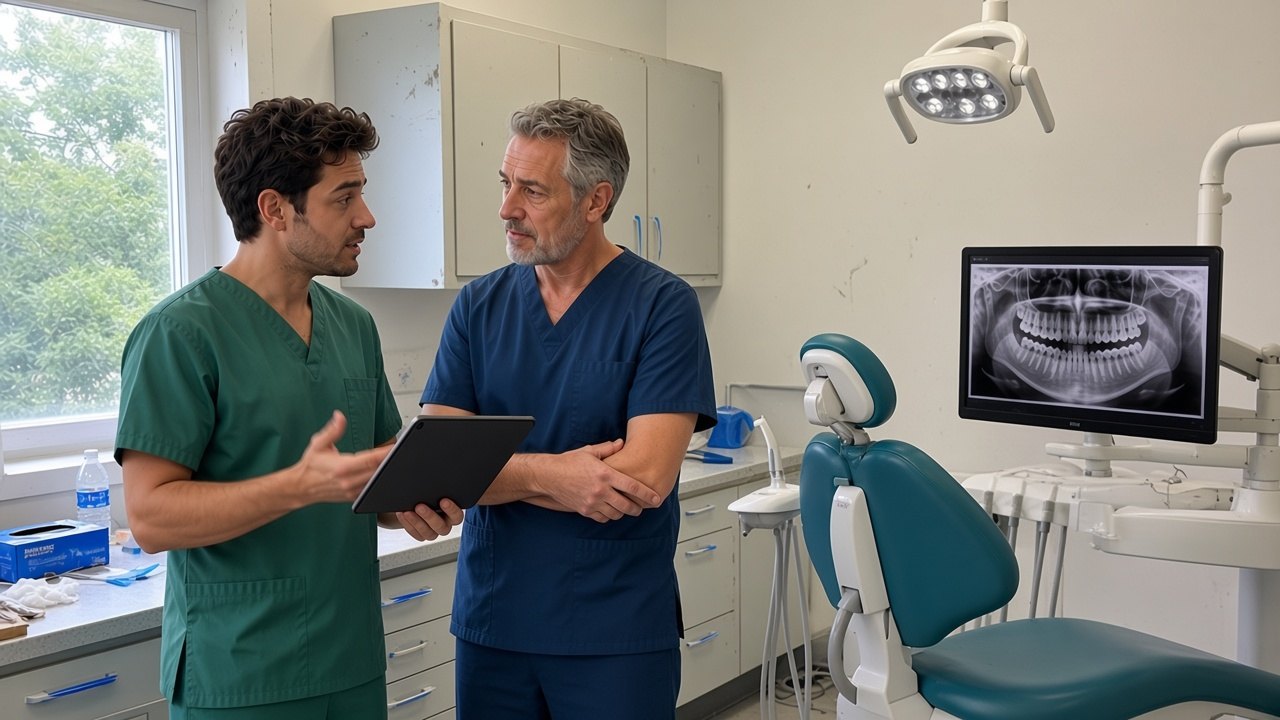
Courses and videos only take you so far with a new procedure. At some point you want someone who has done it many times to look at your case, stand beside you, and tell you what they would do differently. That is what a dental mentor is for. The hard part is choosing one.
Before you commit your time and money, ask these seven questions. They work whether you find a mentor through a colleague, a study club, or RIGHT.
7 questions to ask a potential dental mentor
1. Which procedures do you do most often?
Look for someone whose everyday work matches what you want to learn next, not just an impressive title. Ask what they do every week and what they refer out.
2. How do you like to teach?
Some mentors work chairside with you on your own patients. Others prefer case planning and review over video. Neither is better, but you should know which one you are getting.
3. Can we work on my patients, in my practice?
Learning on your own patients, with your own team and equipment, means what you learn carries straight into Monday morning.
4. How do we plan a case before the session?
Good mentorship starts before anyone picks up a handpiece. Ask how they want to see records, scans and your treatment plan ahead of time.
5. What happens after the session?
Follow-up is where much of the learning sticks. Ask whether you can send post-op photos and questions afterwards, and how.
6. How are fees and payment handled?
Ask what the rate covers and when you pay. Clear terms up front prevent awkward conversations later.
7. What if it is not the right fit?
Even a great clinician may not be the right teacher for you. Ask how you would change course if it is not working.
How matching works at RIGHT
You don't browse. We match. Tell us your goals and procedures in priority order; we weigh every verified mentor against them, a member of our team reviews the result, and you get one mentor with a written explanation of why.
Every mentor applies with their CV, credentials, specialties and — for dentists — their state license numbers. A member of the RIGHT team personally reviews every application before that mentor can be matched or take a booking.
- On-site — your mentor works chairside with you, from one full day up to five, in half-day increments.
- Virtual — a 1- to 4-hour video session inside RIGHT for case planning and follow-up.
Do I choose my mentor from a list?
No. One mentor, chosen for your goals — not a list to sort through.
What if my mentor isn't the right fit?
Not the right fit? Reply to your match email and a real person re-matches you.
When am I charged for a session?
You're not charged when you request a session — payment is collected in full only after your mentor accepts, and RIGHT holds it until the session has happened.